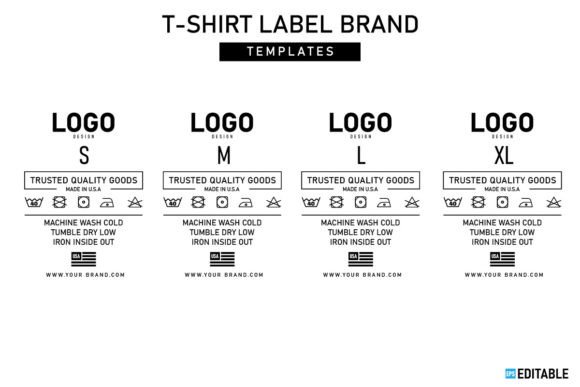
Neck Label Tag Templates: Elevate Your Brand Identity
When you're building a clothing brand, the details matter more than most people realize. A customer picks up your shirt, turns it inside out, and there it is — the neck label. That small piece of fabric or printed tag communicates everything about your brand's quality, personality, and professionalism before anyone even reads a word. Neck Label Tag Templates give you a polished starting point so you can focus on what makes your brand unique rather than wrestling with layout and structure from scratch.
These templates are designed specifically for clothing labels and tags, offering clean, aesthetic layouts that balance visual appeal with practical function. Whether you're launching a streetwear line, a boutique activewear collection, or a handmade knitwear brand, having a well-crafted label template saves hours of design work and ensures your finished product looks intentional from collar to hem.
What Makes These Templates Stand Out
The visual character of these Neck Label Tag Templates leans into modern minimalism with enough flexibility to adapt to nearly any brand personality. Think balanced proportions, thoughtful spacing, and room for your logo, brand name, care instructions, and sizing information without feeling cluttered. The designs avoid trendy gimmicks that age poorly — instead, they offer a timeless foundation you can customize to match your specific aesthetic.
Each template arrives as a 100% vector file in EPS format, which is a significant advantage for anyone working in professional design software. Vector files mean you can scale elements up or down without any loss of quality, recolor sections to match your brand palette, swap out typography, add decorative elements, or strip away anything that doesn't serve your vision. The text is fully editable, so you're never locked into placeholder wording. You also receive a JPG preview for quick reference, and everything comes compressed in a single ZIP file for straightforward organization.
This level of editability matters because neck labels aren't one-size-fits-all. A luxury cashmere brand needs a different tone than a youth-oriented graphic tee company, and these templates acknowledge that reality by giving you complete creative control over the final output.
Where Neck Label Tag Templates Work Best
The applications extend well beyond basic shirt labels, though that's certainly the most common use. Consider how these templates serve different parts of the fashion and product world.
- Woven and printed garment labels for t-shirts, hoodies, jackets, and dresses
- Hang tags that complement the neck label for a cohesive brand presentation
- Care instruction inserts that maintain visual consistency with your main branding
- Accessory tags for hats, bags, scarves, and jewelry
- Packaging stickers and seals that echo your label design on boxes and mailers
For small business owners and independent designers, these templates bridge the gap between DIY and professional. You don't need a massive budget or a full design team to produce labels that look like they belong on a department store rack. Entrepreneurs selling on platforms like Etsy, Shopify, or at local markets benefit enormously from having a premium design asset that's ready to customize rather than build from zero.
Content creators and bloggers in the fashion space also find value here. If you're documenting your brand-building journey or creating mockups for client presentations, a polished neck label template adds credibility to your visual storytelling. Marketing professionals working on packaging design projects appreciate having editable vector assets that integrate smoothly into larger brand identity systems.
How Labels Shape Brand Perception
There's a psychological dimension to garment labels that many new brand owners underestimate. The neck label is often the first tactile interaction a customer has with your brand after purchase. A flimsy, poorly designed tag suggests the rest of the product might follow suit. A thoughtfully designed label — even a simple one — signals that the maker cares about the complete experience.
Consistency between your label, hang tags, website, social media graphics, and packaging creates a cohesive brand identity that builds recognition over time. When someone sees your logo on a neck label and then encounters the same visual language on Instagram or your online store, that repetition reinforces trust. It's the kind of subtle, cumulative effect that separates brands people remember from brands people forget.
Typography plays a quiet but powerful role in this equation. The fonts you choose for your labels communicate personality just as much as your logo does. A clean sans serif font on a label reads as modern and approachable. A refined serif font suggests heritage and craftsmanship. A script font or handwritten font adds warmth and individuality. The beauty of working with fully editable vector templates is that you can experiment with different font pairing combinations until the label feels right for your specific audience.
Practical Tips for Getting the Most From Your Templates
Before you start customizing, spend time with your brand strategy. Know your target customer, your price point, and the emotional tone you want to strike. A label for a premium sustainable fashion brand will look and feel different from one designed for a fun, affordable streetwear label. Having that clarity upfront makes the design process faster and more focused.
Open the EPS files in Adobe Illustrator, Affinity Designer, or another vector graphics editor. Resist the urge to change everything at once. Start by replacing the placeholder text with your actual brand name and details. Adjust the colors to match your brand palette. Then evaluate the overall composition before making structural changes like resizing elements or adding new decorative touches.
Test your label design at actual print size. What looks balanced on a large screen can feel cramped or lost when printed at two inches wide. Print a sample on regular paper, cut it out, and hold it against an actual garment. This simple step reveals readability issues and proportion problems that are invisible in a digital preview.
Think about font size and legibility carefully. Care instructions and fiber content information need to be readable, even if they're small. Avoid overly decorative typefaces for essential details — save those for your brand name or tagline where they'll have the most impact without sacrificing function.
Finally, consider how your neck label relates to the rest of your design assets. If you're using these templates as part of a broader brand launch, make sure the visual language translates across hang tags, woven labels, packaging inserts, and digital touchpoints. That kind of intentionality is what transforms a clothing line from a side project into a recognizable brand.
These Neck Label Tag Templates aren't just files — they're a practical shortcut to professional presentation. For designers managing multiple client projects, entrepreneurs bootstrapping their first collection, or hobbyists ready to sell their handmade creations, having an editable, scalable, and aesthetically grounded template removes one major obstacle from the production process and lets you focus on the creative decisions that truly define your brand.