Master Your Schedule with Digital Planner Templates
In the fast-paced world of creative entrepreneurship and design, staying organized is often the hardest part of the job. We manage client deadlines, content calendars, and personal goals all at once, yet standard paper planners often fail to keep up with our digital-first workflows. This is where Digital Planner Templates step in. They are not just digital replicas of paper notebooks; they are sophisticated design assets built for efficiency. For the modern professional, these templates offer a seamless way to bridge the gap between a chaotic schedule and a streamlined, aesthetic workflow. They provide the structure needed to focus on what truly matters: the creative work.
The Visual Anatomy of Modern Organization
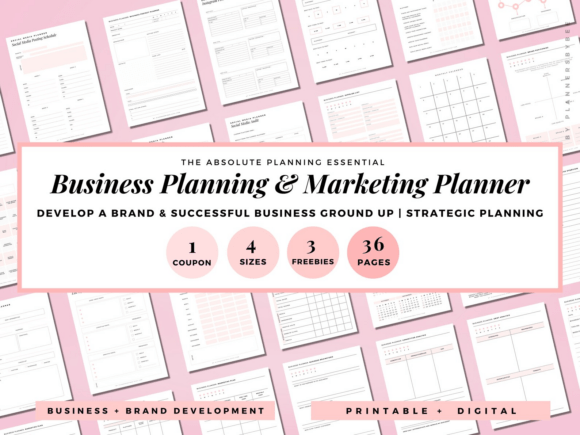
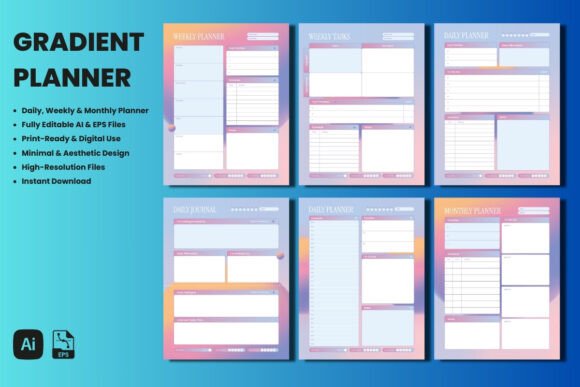
The effectiveness of a planner often comes down to its visual hierarchy and layout. Unlike cluttered, overly decorative journals, high-quality Digital Planner Templates typically embrace a minimalist design philosophy. This aesthetic choice is intentional. By utilizing clean lines, ample white space, and a structured grid, these templates reduce cognitive load. They allow the user to input information without feeling overwhelmed by the tool itself. The visual personality of these assets is professional yet approachable, making them suitable for both the boardroom and the home studio.
When we talk about the "personality" of these templates, we are looking at a blend of functionality and style. They often feature neutral color palettes or soft pastels that are easy on the eyes during long work sessions. However, the true appeal lies in their fully editable nature. A graphic designer, for instance, can easily adjust the typography to match their brand identity, ensuring that even their personal schedule reflects their professional aesthetic. This adaptability transforms a generic organizational tool into a bespoke design asset.
Practical Applications for the Modern Creative
The versatility of Digital Planner Templates extends far beyond simple date-keeping. For content creators and marketers, these templates are indispensable for editorial planning. Imagine plotting out a month of social media graphics using a monthly overview tab, then diving into daily time-blocking to schedule shoots and editing blocks. The ability to switch between daily, weekly, and monthly views allows for both macro and micro management of projects.
For small business owners and entrepreneurs, these templates serve as a command center. You can integrate to-do lists with goal-tracking metrics, keeping your daily tasks aligned with long-term business objectives. Because these files are often provided in formats like AI or EPS, they function as high-resolution vector assets. This means they scale perfectly across devices, whether you are using an iPad with GoodNotes for handwritten notes or a desktop application for detailed project planning.
Integrating Planners into Your Brand Workflow
Consistency is key in brand strategy. When a designer or publisher uses a planner that aligns with their visual language, it reinforces their professional discipline. Consider using these templates not just for personal time management, but as a client-facing tool. Sharing a customized, branded project timeline with a client can elevate your perceived professionalism. It shows that you value organization and have a structured approach to their project, much like a well-crafted logo design or packaging design project.
Furthermore, the "undated" format of many premium Digital Planner Templates is a significant advantage. Unlike dated planners that expire at the end of the year, an undated template is a sustainable asset. You can reuse it indefinitely, adjusting sections as your business grows. This longevity makes them a wise investment for freelancers and agencies alike, providing a consistent framework that evolves with your workflow.
Choosing the Right Template for Your Needs
Selecting the right planner requires looking beyond the surface aesthetics. First, evaluate the readability. A beautiful layout is useless if the text is too small or the contrast is too low for daily reading. Look for templates that prioritize clear typography and intuitive navigation. Second, consider the ecosystem. If you are an iPad user, ensure the PDF is optimized for annotation apps like Notability. If you prefer print, check that the file size and resolution allow for high-quality output without pixelation.
It is also worth considering the included file types. A package that includes an AI File (Adobe Illustrator) or EPS File offers the highest level of customization. These vector formats allow you to deconstruct the design, change every color, and modify the layout to fit specific project requirements. This level of control is crucial for designers who treat their organizational tools with the same scrutiny as their web design or editorial design projects.
Ultimately, the best Digital Planner Templates are those that disappear into your workflow, allowing you to focus on execution. They should feel like a natural extension of your digital environment—clean, efficient, and ready to be customized. Whether you are tracking a fitness goal, managing a product launch, or scheduling a content calendar, the right template acts as the silent partner in your productivity journey.